Roland Castro
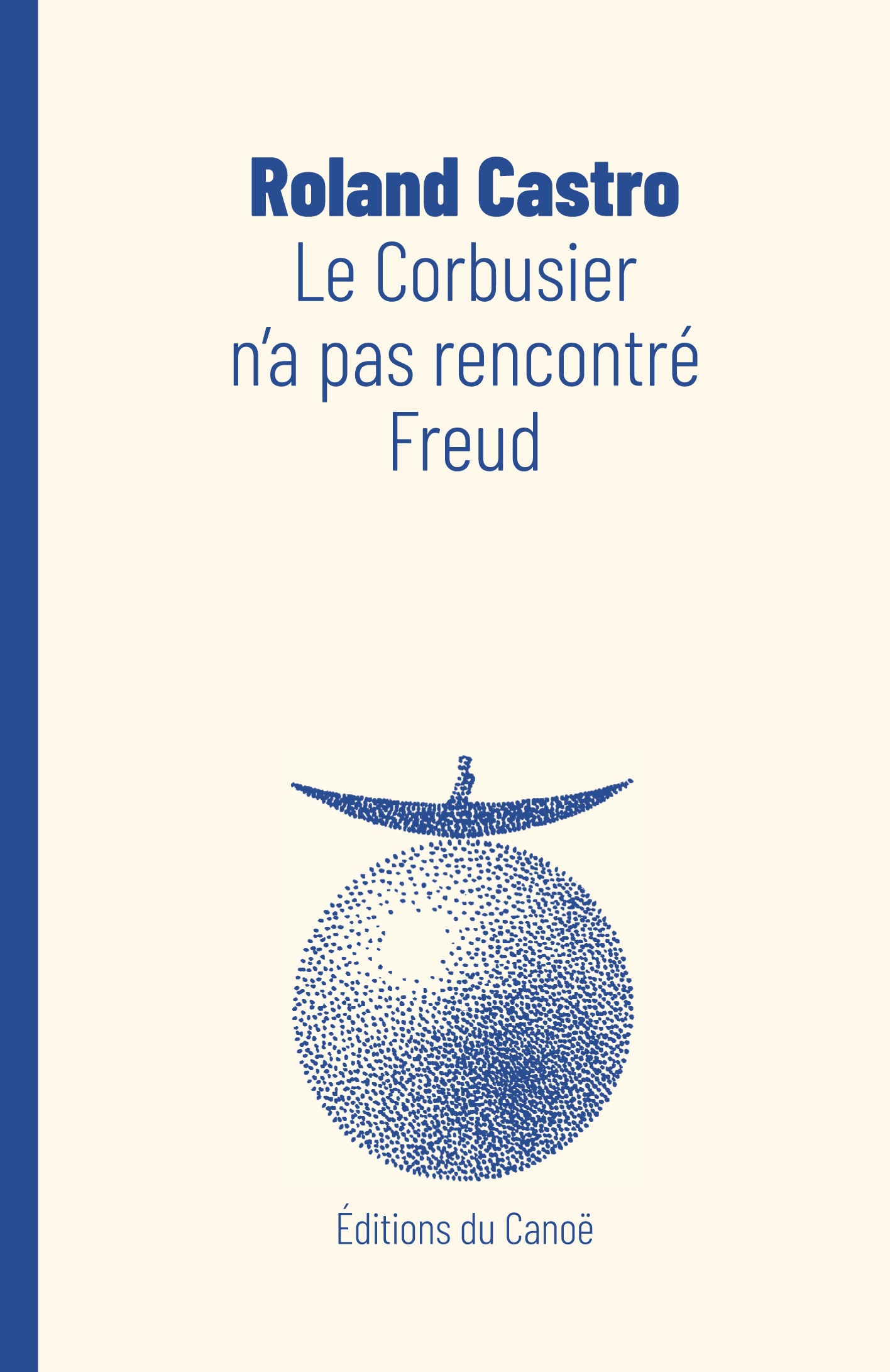
Le Corbusier n'a pas rencontré FreudLe Corbusier did not meet Freud64 pages. 2018. World rights available
NON-FICTION
ESSAY
URBANISM
Ce petit texte polémique écrit pour une conférence que Roland Castro donna aux étudiants de l’Université de Princeton aux États-Unis en 1993 n’a rien perdu de son actualité. Il dit en clair que si Le Corbusier était un grand artiste, il théorisa une idée de l’homme et de sa façon de vivre dans un lieu (habiter, travailler, se divertir et circuler) si radicalement réductrice, qu’elle empoisonne encore nombre de ses émules qui ont infesté le monde entier de ces barres d’immeubles, cités HLM et autres grands ensembles hideux et invivables.
Il est donc urgent de prendre en compte dans tout projet urbain la part d’ombre qu’il y a en chaque être humain dont Freud, le premier, entreprit de sonder les tréfonds. Il est crucial de se souvenir qu’il n’y a pas d’algorithme, de pensée scientiste qui puisse se substituer à la complexité humaine et qu’il en va de notre vie en commun.
Architecte, penseur de la ville, essayiste, professeur, citoyen engagé, Roland Castro (1940-1923) sait que pour « changer la vie », slogan de Vive la Révolution, groupe maoïste libertaire dont il fut un des fondateurs en 1970, il faut ancrer dans l’esprit des politiques que l’habitat, la ville, les banlieues sont un enjeu majeur. Un droit à l’urbanité pour tous est un des grands combats de sa vie.
This short polemical text, written for a lecture that Roland Castro delivered to students at Princeton University in 1993, has lost none of its relevance. It states plainly that while Le Corbusier was a great artist, he theorized an idea of human beings and of the way they live in a space (to dwell, to work, to enjoy leisure, and to circulate) that was so radically reductive that it still poisons many of his followers, who have littered the entire world with those slab blocks, housing projects, and other vast, hideous, and unlivable complexes.
It is therefore urgent to consider, in any urban project, the shadow side present in every human being - a dimension that Sigmund Freud was the first to attempt to probe to its depths. It is crucial to remember that no algorithm, no scientistic mode of thought, can substitute for human complexity - and that our shared life depends on it.
Architect, urban thinker, essayist, professor, and committed citizen, Roland Castro (1940-1923) knows that in order to “change life”—the slogan of Vive la Révolution, the Maoist libertarian group he co-founded in 1970 - it is essential to instill in political leaders the understanding that housing, the city, and the suburbs are major stakes. A right to urbanity for all has been one of the great struggles of his life.