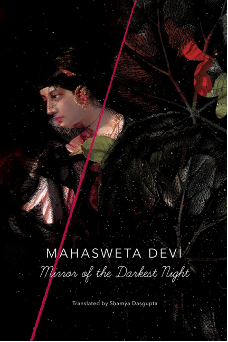
Mahasweta Devi
Miroir de la nuit la plus sombreMirror of The Darkest Night306 pages | 85 - 000 words. Originally published in Bengali as Laayl-e Aasmaaner Aayna. Published in English translation in 2019. All other language rights available
The India list
FICTION
Nous sommes dans la 2e moitié du XIXe siècle et les Britanniques ont banni Wajid Ali Shah, le gouverneur d'Awadh à Lucknow, pour l'envoyer à Calcutta. Au son de la mélodie mélodieuse du sarangi, la courtisane Laayl-e Aasman joue un jeu dangereux d'amour, de loyauté et de trahison. Bajrangi et Kundan, liés par leur amour l'un pour l'autre et pour Laayl-e, luttent pour garder leur équilibre. Traversant les générations et la géographie, l'histoire de Laayl-e entraîne dans son sillage le diable, un baron du crime et bien d'autres personnages remarquables dans un mélange enivrant.
Mirror of the Darkest Night est presque une aberration dans l'œuvre de Mahasweta Devi. Connue pour son militantisme et sa dénonciation virulente des inégalités sociales, elle accorde une grande attention aux détails dans ce roman brillant. Il offre un rare aperçu du talent de Devi pour raconter le genre d'histoire qu'elle a normalement évité - et c'est une histoire à couper le souffle.
Mahasweta Devi (1926-2016) était l'une des plus grandes figures littéraires de l'Inde de la fin du XXe siècle et du début du XXIe siècle, à la fois écrivaine et militante sociale. Auteure de nombreux romans, essais et nouvelles, elle a reçu le Jnanpith Award, la plus haute distinction littéraire indienne, en 1996. Elle a reçu le prix Ramon Magsaysay en 1997 pour sa "croisade compatissante à travers l'art et l'activisme pour réclamer pour les peuples tribaux une place juste et honorable dans la vie nationale de l'Inde".
It’s the mid-to-late 1800s and the British have banished Wajid Ali Shah—the nawab of Awadh in Lucknow—to Calcutta. To the sound of the soulful melody of the sarangi, the mercurial courtesan Laayl-e Aasman is playing a dangerous game of love, loyalty, deception, and betrayal. Bajrangi and Kundan, bound by their love for each other and for Laayl-e, struggle to keep their balance. Ranging across generations and geography, the scale of Laayl-e’s story sweeps the devil, a crime lord, and many other remarkable characters into a heady mix.
Mirror of the Darkest Night is almost an aberration in Mahasweta Devi’s oeuvre. Known for her activism and hard-hitting indictment of social inequalities, she pays close attention to detail in this sparkling novel. It offers a rare glimpse of Devi’s talent for telling the sort of story she normally eschewed—and it’s a cracker of a tale.
Mahasweta Devi (1926–2016) was one of India’s foremost literary figures from the late twentieth and early twenty-first centuries—a writer and social activist in equal right. Author of numerous novels, essays and short stories, she received the Jnanpith Award, India’s highest literary honour, in 1996. She was awarded the Ramon Magsaysay Award in 1997 for her ‘compassionate crusade through art and activism to claim for tribal peoples a just and honourable place in India's national life’.
Originally written in Bengali
PDF galley of English translation available
‘This is a tale about passion and responsibility brushing against each other. It is about a woman making a long journey—from being a scared young girl named Munni to a much-desired courtesan who can break hearts and cause turmoil—at the risk of being branded a witch. At a broader level, it is about the different ways in which men and women usurp the things they want or need, and about their relationship with power: What does it mean to operate on the outskirts of “respectable” society while also grappling with universal human emotions?’—Scroll.in